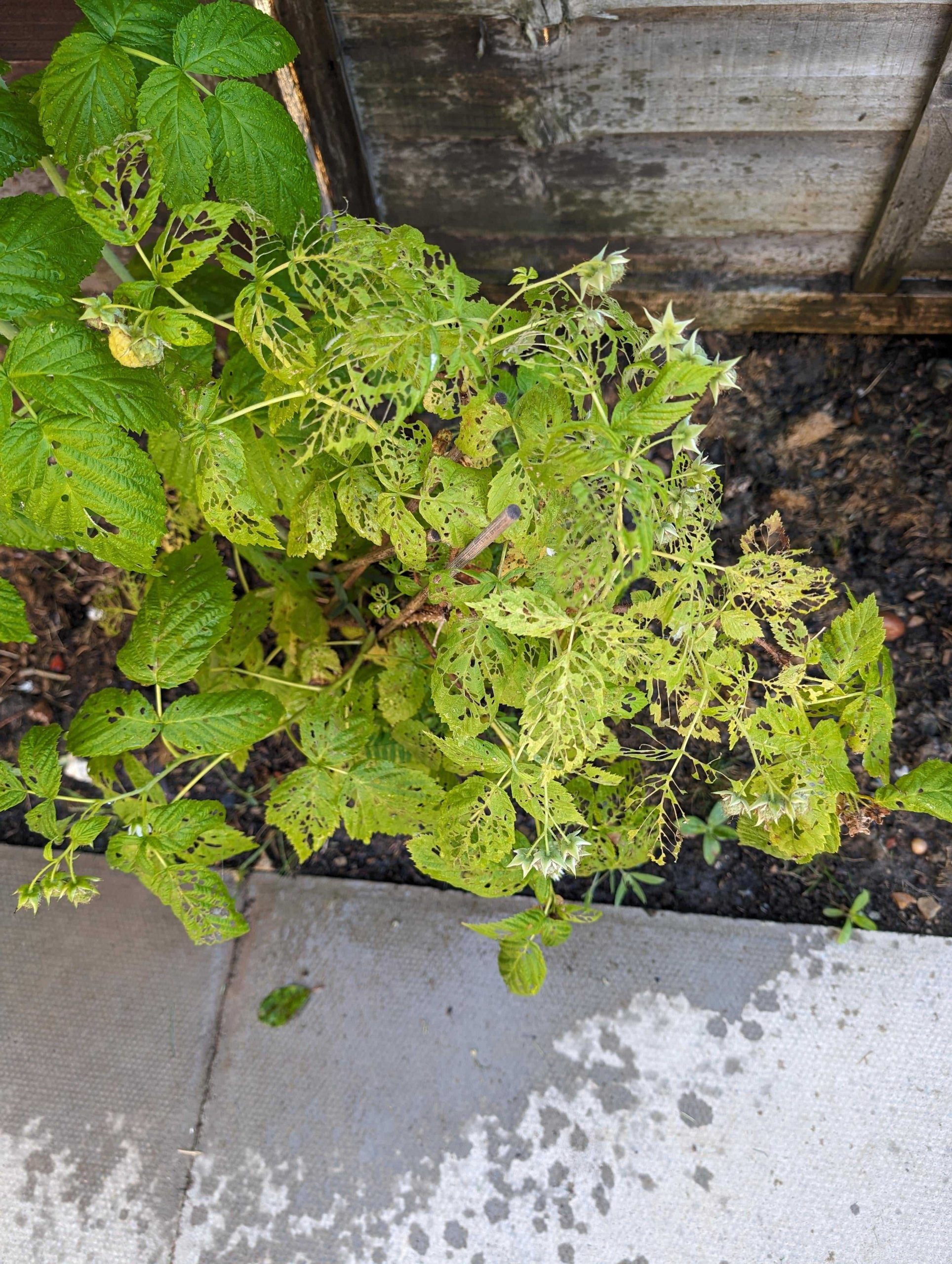
Why Is My Euonymus Dying? Common Causes And Solutions
If your euonymus is dying, the most common reasons are overwatering, poor drainage, pest infestations, or diseases. First, check the soil moisture; if it’s too wet or too dry, adjust your watering habits. Ensure the plant has good drainage to prevent root rot, and inspect for pests like spider mites or aphids. Fungal diseases can also be a culprit, so look for any unusual spots or discoloration on the leaves. Addressing these issues promptly can often revive your euonymus and help it thrive once again.
Euonymus plants are popular for their vibrant foliage and versatility in landscaping, so it’s concerning when they start to show signs of decline. Understanding the reasons behind their poor health is essential for any garden enthusiast. Whether it’s a subtle color change in the leaves or significant wilting, recognizing the symptoms can help you identify the underlying issues. This article will explore common causes of euonymus decline, effective solutions, and tips for maintaining healthy plants. Whether you’re a seasoned gardener or a beginner, finding the right approach can make all the difference in restoring your euonymus to its full glory. Let’s dive into the potential reasons your euonymus might be struggling and how you can bring it back to life.

Why is My Euonymus Dying?
Euonymus plants are popular choices for gardeners due to their attractive foliage and versatility. However, it can be quite distressing when your euonymus starts to show signs of dying. Understanding the reasons behind your euonymus’s decline is crucial to saving your plant and ensuring its health.
What is Euonymus?
Before diving into the issues, let’s briefly discuss what euonymus is. This genus includes a variety of shrubs and small trees. They often feature vibrant leaves, with some varieties showcasing colorful fall foliage. Common types include:
- Burning Bush
- Wintercreeper
- Spindle Tree
These plants are favored for their hardiness and ability to adapt to various soil conditions.
Signs Your Euonymus is Dying
Identifying the symptoms of a dying euonymus is the first step in addressing the problem. Common signs include:
- Yellowing leaves
- Brown leaf edges
- Wilting or drooping branches
- Leaf drop
- Stunted growth
Recognizing these symptoms early can be pivotal in reversing the decline.
Improper Watering Practices
One of the leading causes of euonymus decline is improper watering. Overwatering or underwatering can stress the plant.
Overwatering Symptoms
When euonymus receives excessive water, roots can suffocate, leading to root rot. Signs of overwatering include:
- Dark, mushy roots
- Soil that remains soggy
- Leaves that feel soft or limp
Underwatering Symptoms
Conversely, underwatering can lead to dehydration. Signs include:
- Leaves curling or gripping the stem
- Crispy leaf edges
- General droopiness
It’s essential to find a balance and water your euonymus appropriately.
Pests and Diseases
Pests can wreak havoc on your euonymus, leading to its decline. Common pests include aphids, spider mites, and scale insects.
Aphids
These tiny bugs tend to cluster on new growth, sucking nutrients from the plant. Signs include:
- Sticky residue on leaves
- Distorted leaves
- Presence of ants
Spider Mites
Spider mites thrive in dry conditions and may cause leaves to appear speckled or mottled.
Scale Insects
These pests cling to stems and leaves, creating a protective shell. Look for:
- Sticky leaf surfaces
- Yellowing foliage
- General decline in health
It’s essential to regularly check your euonymus for signs of infestations.
Environmental Factors
Environmental conditions play a significant role in the health of your euonymus.
Soil Quality
The quality of the soil affects drainage and nutrient availability. Poor soil can lead to various issues.
- Heavy clay soils retain too much moisture.
- Sandy soils may drain too quickly.
Consider performing a soil test to ensure the pH and nutrient levels are appropriate for your euonymus.
Climate Conditions
Euonymus plants prefer temperate climates. Extreme temperatures can stress the plant.
Improper Pruning Techniques
Pruning can enhance the growth of your euonymus, but improper techniques can cause damage.
When to Prune
The best time to prune euonymus is during early spring.
- Removing dead or damaged branches promotes healthy growth.
- Avoid heavy pruning in late summer or fall.
How to Prune
Always use clean, sharp tools. Make cuts at a 45-degree angle to encourage healing.
Nutrient Deficiencies
Just like humans, plants require nutrients for growth. A deficiency in essential nutrients can lead to poor health.
Nitrogen Deficiency
Nitrogen is vital for leaf growth. Signs include:
- Yellowing leaves, starting from the older leaves
- Stunted growth
Iron Deficiency
Iron is essential for chlorophyll production. Symptoms include:
- Yellowing between leaf veins
- New growth may be pale or white
A balanced fertilizer can provide the necessary nutrients.
Root Problems
Root issues often stem from unfavorable conditions.
Compacted Roots
Soil compaction can hinder root growth and nutrient uptake. Signs include:
- Poor drainage
- Slow growth
Consider loosening the soil around the roots gently to promote growth.
Girdling Roots
Girdling occurs when roots grow in a circle around the plant. This can choke the plant and limit nutrient absorption. Regular checks can help identify this issue early.
Proper Care for Euonymus
To keep your euonymus healthy, adhere to some basic care guidelines:
- Water deeply but infrequently.
- Ensure well-drained soil.
- Fertilize in early spring with a balanced fertilizer.
- Monitor for pests regularly.
When to Seek Professional Help
If you’ve tried everything and your euonymus continues to decline, it might be time to consult with a gardening professional.
- A professional can offer specialized advice.
- They can diagnose issues that may not be obvious.
Regular maintenance and care can often prevent problems before they escalate.
In summary, a dying euonymus can be due to various factors, from watering issues to pest infestations. By understanding the signs and causes, you can take the appropriate steps to rescue your plant. Keeping a close eye on its health, providing the right care, and acting quickly when issues arise will help ensure your euonymus thrives for years to come.
Frequently Asked Questions
What are some signs that my euonymus is unhealthy?
Look for yellowing leaves, browning edges, or wilting stems. If your euonymus has stunted growth or is dropping leaves, it may indicate stress from environmental factors or disease. Additionally, check for any discoloration or unusual spots on the foliage, as these can signal pest issues or fungal infections.
How can environmental factors affect my euonymus?
Euonymus plants are sensitive to changes in their environment. Extreme temperatures, whether too hot or too cold, can stress the plant. Insufficient sunlight can lead to poor growth and weak foliage, while excessive moisture or poor drainage can cause root rot, leading to decline. Always place your euonymus in an ideal location based on its specific light and moisture needs.
What pests should I watch out for on my euonymus?
Common pests that can harm your euonymus include spider mites, aphids, and scale insects. These pests can drain the plant’s nutrients and sap, leading to a decline in health. Regularly inspect your plant for signs of infestation, such as webbing or sticky residues, and treat infestations promptly with insecticidal soap or neem oil.
Is overwatering a common issue for euonymus plants?
Yes, overwatering is a significant concern for euonymus. They prefer well-draining soil and can suffer from root rot if the soil remains soggy. Always check the moisture level in the soil before watering and ensure that your pot has drainage holes. It’s better to let the soil dry out slightly between waterings.
How can I improve the health of my euonymus?
Start by assessing its growing conditions. Ensure it receives the right amount of sunlight, and adjust watering practices to prevent overwatering. Prune any dead or unhealthy branches to promote airflow and remove any pests or diseased leaves. Consider applying a balanced fertilizer to provide essential nutrients and boost overall health.
Final Thoughts
The health of your euonymus can decline due to various factors. Overwatering, pests, and poor soil conditions often contribute to its deterioration. Regularly check for signs of stress and address any watering issues or pest infestations promptly.
If you find yourself asking, “why is my euonymus dying,” consider inspecting its environment and care routine to identify and resolve any issues. Consistent attention and timely intervention can help restore your euonymus to vitality.