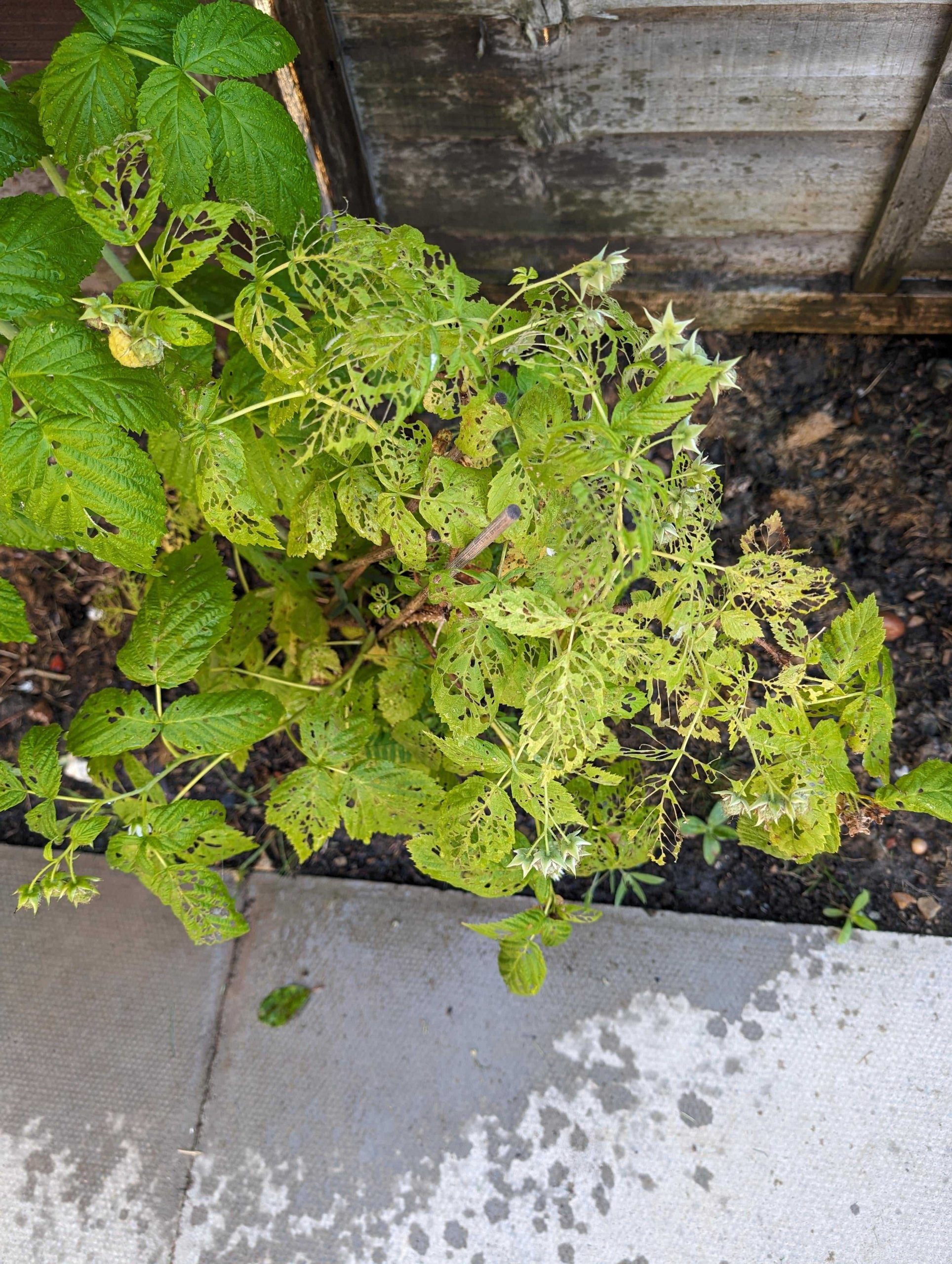
Why Are My Peas Turning Yellow And How To Fix It

If your peas are turning yellow, it can be a frustrating sight for any gardener. The most common reasons for this color change include nutrient deficiencies, particularly nitrogen, and overwatering or poor drainage, which can lead to root rot. Additionally, pests or diseases might be targeting your plants. In many cases, a simple tweak to your care routine can bring your peas back to their vibrant green color. Understanding these issues is crucial for maintaining the health of your crop and ensuring a fruitful harvest. By addressing the underlying causes promptly, you can help your peas thrive and prevent further yellowing, allowing you to enjoy the sweet rewards of your gardening efforts.

Why Are My Peas Turning Yellow?
Peas are a delightful addition to any garden, but when they start to turn yellow, it can be concerning for gardeners. Understanding the reasons behind this color change is essential for ensuring the health of your pea plants and maximizing your harvest. There are several factors that can contribute to yellowing leaves and pods on pea plants.
Common Causes of Yellowing Peas
There are a few main reasons why your peas might be turning yellow. Knowing these causes helps you find effective solutions. Below are some common reasons:
- Nutrient Deficiencies: Lack of essential nutrients can cause yellowing.
- Overwatering: Too much water can lead to root rot, causing yellow leaves.
- Pest Infestation: Bugs can damage pea plants, leading to discoloration.
- Diseases: Fungal and bacterial infections can affect the plant’s overall health.
Nutrient Deficiencies
Nutrient deficiencies are one of the primary reasons for yellowing leaves on pea plants. Plants need various nutrients to thrive, and a lack of these can result in symptoms like yellowing.
Nitrogen Deficiency
A nitrogen deficiency is especially common in peas, as they are heavy feeders. Here are signs of nitrogen deficiency:
- Older leaves turn yellow while younger ones stay green.
- Stunted growth and poor yield.
To remedy nitrogen deficiency, consider applying a nitrogen-rich fertilizer. Compost or well-rotted manure can also provide essential nutrients.
Iron Deficiency
Another possible nutrient issue is iron deficiency, which typically affects newer leaves. Look for these symptoms:
- Green veins on yellow leaves.
- New leaves may appear smaller than usual.
Iron supplements or chelated iron products can help correct this deficiency quickly.
Overwatering Issues
While peas need ample moisture, overwatering can lead to problems. Pea plants are susceptible to root rot, which can cause the leaves to turn yellow.
Signs of Overwatering
Watch for the following signs that indicate your peas may be getting too much water:
- Leaves turning yellow and wilting.
- Waterlogged soil, which feels soggy to the touch.
To prevent overwatering, ensure proper drainage in your garden beds. Adjust your watering schedule according to the weather and soil moisture levels.
Pest Infestation
Pests can wreak havoc on your pea plants, leading to yellowing. Some common pests include aphids, spider mites, and pea weevils.
Recognizing Pest Damage
Identifying pest infestations early is crucial. Look for:
- Curled or distorted leaves.
- Visible pests on the undersides of leaves.
To combat these pests, you can use insecticidal soap or neem oil. Handpicking larger pests can also help keep your plants healthy.
Diseases Affecting Peas
Fungal and bacterial diseases can affect the health of your pea plants. Two common diseases are powdery mildew and downy mildew.
Powdery Mildew
Powdery mildew appears as a white powdery substance on leaves. Symptoms include:
- Yellowing leaves.
- Reduced growth and yield.
To control powdery mildew, ensure your plants are spaced properly for air circulation. Fungicides may also be effective.
Downy Mildew
Downy mildew is characterized by yellow patches on leaves. Look for:
- White, fuzzy growth on the undersides of leaves.
- Leaves may die off if untreated.
To manage downy mildew, avoid watering late in the day to minimize humidity. Fungicides can also help treat this condition.
Environmental Factors
Sometimes, yellowing in pea plants is related to environmental factors. Weather conditions and soil quality play significant roles in plant health.
Temperature Stress
Peas thrive in cool weather. If temperatures rise too high, plants can stress, leading to yellowing. Look for:
- Yellow leaves during hot spells.
- Wilting plants in extreme heat.
To mitigate this, consider providing shade during excessively hot days.
Soil Quality
The condition of your soil can impact plant growth. Poor soil quality can lead to nutrient deficiencies. Signs of poor soil include:
- Compacted soil that holds too much water.
- Poor drainage, leading to stagnant water.
Improving soil quality through organic matter, like compost, can provide a boost to your pea plants.
Proper Care for Healthy Peas
To avoid yellowing peas, proper care is essential. Here are some best practices for maintaining healthy plants:
- Regular Monitoring: Check your plants regularly for signs of pests or disease.
- Fertilizing: Use balanced fertilizers as needed, focusing on nitrogen in the early stages.
- Watering Wisely: Water deeply but infrequently to promote strong roots.
Best Times to Plant Peas
Understanding the best times to plant can also play a role in the health of your peas. Planting at the right time can help avoid temperature stress and ensure optimal growth.
Spring Planting
In spring, peas are often one of the first crops to be planted. Look for these conditions:
- Soil temperature around 45 to 50°F.
- Frost-free days for optimal growth.
Fall Planting
Some gardeners choose to plant peas in the fall. When doing this, consider:
- Avoiding planting too late, which can lead to frost damage.
- Choosing varieties suited for cooler temperatures.
If you notice your peas turning yellow, don’t panic. Understanding the possible causes is the first step toward finding a solution. Whether it’s nutrient deficiencies, overwatering, pests, or diseases, addressing these issues can help restore your plants to health. With proper care and attention, your peas can flourish and provide a delicious harvest.
Q&A – Why are my peas yellow? Do I just need to add some fertilizer?
Frequently Asked Questions
What causes nitrogen deficiency in pea plants?
Nitrogen deficiency often leads to yellowing leaves in pea plants. If the soil lacks sufficient nitrogen, the plants cannot produce enough chlorophyll, resulting in an unhealthy, yellow appearance. To address this, consider adding nitrogen-rich fertilizers or compost to the soil to enhance nutrient availability.
How does overwatering affect the color of pea plants?
Overwatering can suffocate the roots of pea plants, restricting oxygen intake and leading to stress. This stress often manifests as yellowing leaves. Ensure that your peas are in well-draining soil and monitor watering practices to maintain an appropriate balance of moisture.
What role does disease play in the yellowing of pea leaves?
Diseases such as root rot or powdery mildew can cause yellowing in pea plants. These conditions disrupt nutrient uptake and overall plant health. Regularly inspect your plants for signs of disease and implement appropriate treatments, such as fungicides or crop rotation to prevent future outbreaks.
Can environmental factors influence the coloration of my pea plants?
Yes, environmental stressors such as extreme temperatures, poor sunlight, or nutrient imbalances can cause the leaves of pea plants to turn yellow. Ensure your plants receive adequate sunlight and maintain a stable temperature to promote healthy growth.
How can pests contribute to the yellowing of pea plants?
Pests like aphids or spider mites can sap the nutrients from pea plants, leading to yellowing leaves. Regularly inspect your plants and use insecticidal soap or other pest control methods to manage infestations and protect plant health.
Final Thoughts
Peas turning yellow can result from various factors, mainly nutrient deficiencies, particularly nitrogen. Poor soil health or inadequate watering can also contribute to this issue.
To prevent your peas from turning yellow, ensure you provide the right nutrients and maintain consistent watering practices. Regularly testing your soil can help identify any deficiencies before they become problematic. Understanding why are my peas turning yellow helps gardeners take proactive measures for healthier crops.