Understanding Why Seedlings Dying After Sprouting Occurs
Seedlings dying after sprouting can be a frustrating experience for any gardener, but there are specific steps you can take to remedy this issue. One of the primary causes is often overwatering or underwatering, so ensure your soil is moist but not soggy. Additionally, poor lighting can cause seedlings to stretch and become weak, so they need adequate light, preferably natural sunlight or a grow light. Temperature fluctuations can also stress young plants, so maintaining a consistent environment is crucial. By addressing these factors, you can give your seedlings the best chance to thrive. Remember, a little attention to detail can go a long way in nurturing healthy plants from their very first stages.

Seedlings Dying After Sprouting: Causes and Solutions
Growing plants from seeds can be exciting. However, it can also be disheartening to see your seedlings dying after sprouting. Understanding the causes of this issue is crucial for any gardener looking to cultivate healthy plants. In this article, we will explore the common reasons why seedlings die and offer practical solutions to help ensure your garden thrives.
Common Causes of Seedlings Dying
Several factors can contribute to the deaths of young seedlings after they sprout. Identifying these factors is essential to prevent future losses. Here are some of the main culprits:
- Water Stress: Both overwatering and underwatering can harm seedlings.
- Insufficient Light: Seedlings require adequate light to grow strong and healthy.
- Pest Infestations: Insects can damage seedlings, leading to their decline.
- Disease: Fungal and bacterial infections can be fatal to young plants.
- Temperature Extremes: High or low temperatures can stress seedlings.
Watering Issues: The Balance is Key
Watering is one of the most critical aspects of seedling care. It’s essential to moderate water levels to prevent stress.
Overwatering
Overwatering can drown seedlings, preventing their roots from getting oxygen. Soil that is too wet can also lead to root rot. Look for the following signs:
- Wilting leaves despite wet soil
- Mushy stems and roots
To fix overwatering, allow the top inch of soil to dry out before watering again. Ensuring that your pots have drainage holes will also help excess water escape.
Underwatering
On the flip side, underwatering can cause seedlings to dry out. Signs of underwatering include:
- Curling leaves
- Cracked soil
To prevent underwatering, check the soil moisture regularly. Water your seedlings when the top inch feels dry to the touch.
Light Requirements: The Sunshine Factor
Seedlings need plenty of light to grow strong and healthy. Insufficient light can cause them to become leggy and weak, making them more susceptible to diseases.
Natural Light
If you are growing your seedlings indoors, place them in a sunny spot where they can receive at least 12-16 hours of light each day. Consider rotating your pots to ensure even light exposure.
Artificial Light
When natural light is insufficient, using grow lights can be a great alternative. Position the lights within 2-4 inches of the seedlings for the best results.
Pest Infestations: Vigilance is Key
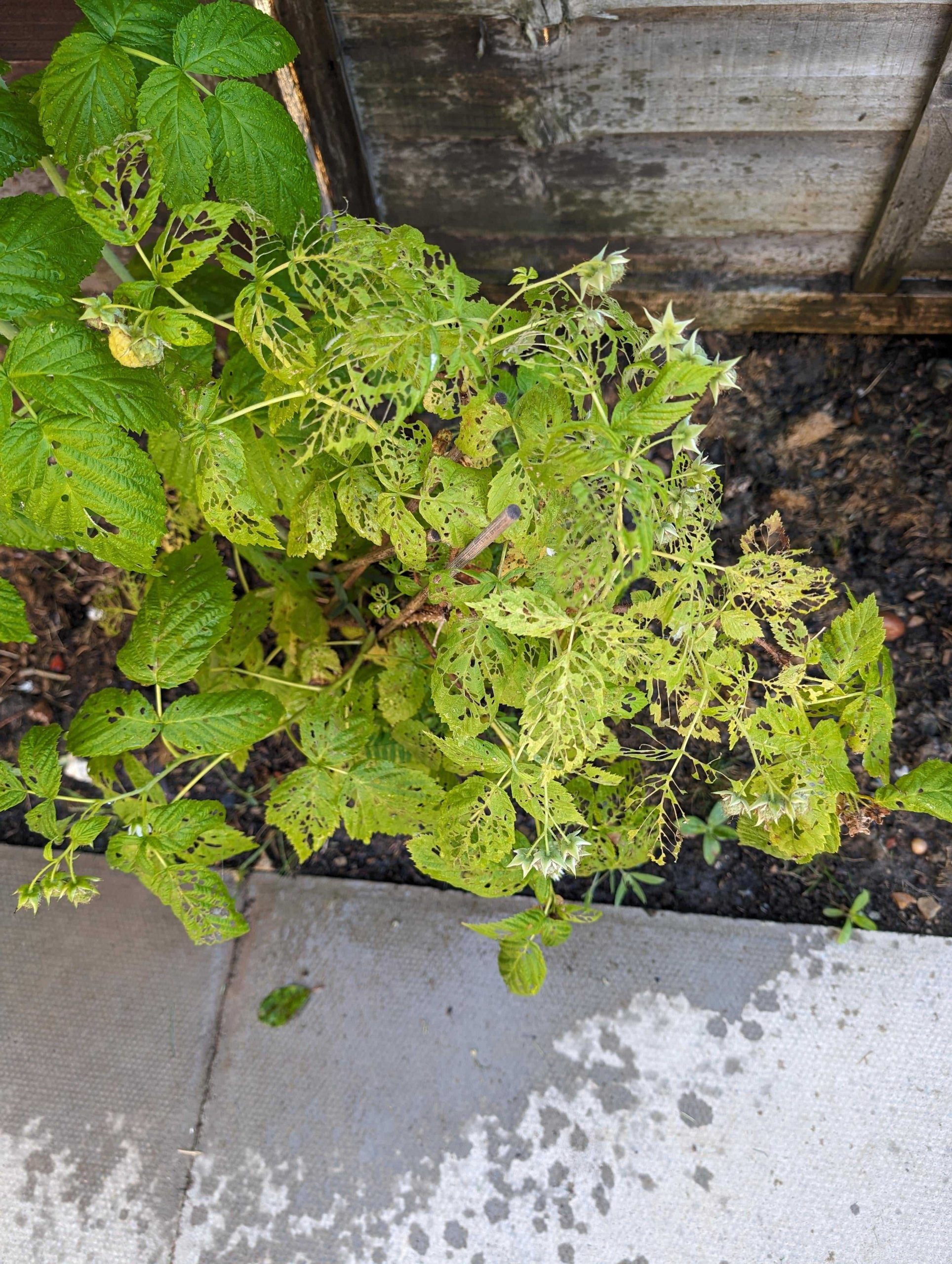
Pests can be a significant threat to seedlings. Common pests like aphids, spider mites, and fungus gnats can cause severe damage.
Identifying Pests
Look for warning signs, such as:
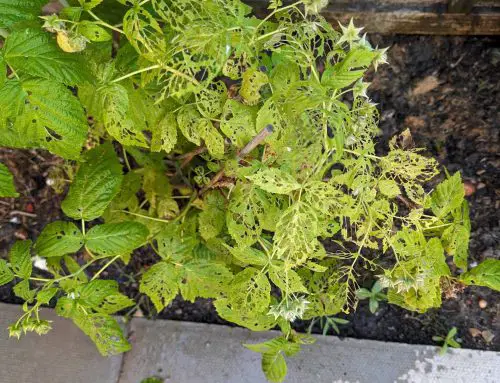
- Discoloration on leaves
- Sticky residue on plants
Regularly inspect your seedlings for pests. If you find any, treat them promptly with organic insecticides or neem oil.
Disease: Keep an Eye Out
Diseases can quickly lead to the death of seedlings. Common issues include damping-off disease, which is caused by soil pathogens.
Preventing Disease
To prevent diseases, follow these tips:
- Use sterile soil for planting.
- Avoid overcrowding seedlings to improve air circulation.
- Water at the base of the plant to keep foliage dry.
Being proactive can help you keep your seedlings healthy and disease-free.
Temperature Extremes: Finding the Right Balance
Seedlings are sensitive to temperature fluctuations. Extreme heat or cold can stress them and lead to their demise.
Optimal Temperature Ranges
Most seedlings thrive in temperatures between 65°F and 75°F (18°C – 24°C).
Strategies for Temperature Control
To maintain the right temperature:
- Use heating mats for warmth during cooler months.
- Provide shade during hot weather to prevent overheating.
Keeping seedlings in a stable environment will promote healthy growth.
Choosing the Right Soil: The Foundation of Healthy Seedlings
Soil quality is a crucial factor in the success of seedlings. The right mix can provide essential nutrients and proper drainage.
Types of Soil
Opt for a light, well-draining seedling mix that retains moisture but does not become soggy. Avoid heavy garden soil that can compact around roots.
Soil Testing
Consider testing your soil for pH levels and nutrient content to ensure it meets the needs of your seedlings.
Transplanting: Timing and Technique
Transplanting seedlings can be tricky. If done too early or improperly, it can lead to stress and death.
Timing for Transplanting
Wait until seedlings develop a minimum of two sets of true leaves before moving them to larger pots or outdoors. This will ensure they are strong enough to adapt to a new environment.
Transplanting Techniques
When transplanting, handle seedlings gently by the leaves, avoiding stress on the fragile stem. Plant at the same depth in the new pot as they were in the original container.
Fertilizing: A Diligent Approach
Fertilization is vital for providing the nutrients seedlings need to thrive. However, too much fertilizer can harm them.
Using Fertilizers Wisely
Start with a diluted, balanced fertilizer a few weeks after germination. Follow package instructions to prevent over-fertilizing.
Signs of Fertilizer Burn
If you notice yellowing leaves or browning tips, it may be a sign of fertilizer burn. Flush the soil with water to help alleviate the problem.
Seeing seedlings die after sprouting is disappointing, but understanding the factors that lead to this issue can help you become a better gardener. By addressing watering practices, light requirements, pest control, and other influencing factors, you can promote healthy growth in your seedlings. With diligence and care, you can look forward to a flourishing garden and the satisfaction of watching your plants thrive.
Frequently Asked Questions
What are the common causes of seedling death after sprouting?
Several factors contribute to seedling death after they sprout. Overwatering is one of the most frequent issues, leading to root rot and fungal diseases. Insufficient light can also cause seedlings to weaken and eventually die, as they rely on photosynthesis for growth. Additionally, fluctuations in temperature or humidity can stress young plants, making them more susceptible to disease and death. Pests and diseases, such as damping-off, can further compromise seedlings’ health.
How can I prevent my seedlings from dying after they sprout?
To prevent seedling death, focus on providing optimal conditions. Ensure that you water seedlings adequately without over-saturating the soil. Position them in a location where they receive sufficient light, typically around 12 to 16 hours a day. Maintain a consistent temperature and humidity level, preferably between 65°F to 75°F (18°C to 24°C). Regularly check for pests and diseases, and take appropriate measures, such as using organic pesticides or improving air circulation.
Is it normal for some seedlings to die while others thrive?
Yes, it is common for some seedlings to thrive while others do not. Variability in genetics can lead to different growth rates and resilience levels among seedlings. Environmental factors, such as soil quality, moisture levels, and light exposure, can also impact individual seedlings differently. Additionally, some seeds may have inherent weaknesses that make them less likely to survive. It’s essential to monitor all seedlings closely and adjust care as needed.
What role does soil quality play in seedling survival?
Soil quality plays a crucial role in the health and survival of seedlings. Healthy soil contains a balance of nutrients, good drainage, and proper pH levels, all of which facilitate root development. Poor soil can lead to nutrient deficiencies, compaction, and water retention issues, all of which stress young plants. Using high-quality potting mix or enriching garden soil can significantly improve seedling chances of thriving.
Can transplanting affect seedling health?
Yes, transplanting can significantly affect seedling health. If done improperly or at the wrong time, it can cause transplant shock, which may result in wilting or even death. To minimize this risk, handle seedlings gently, ensure that they have enough root mass during transplantation, and choose an appropriate time when they are well-established. Gradually acclimating seedlings to their new environment can also help ease the transition.
Final Thoughts
Seedlings dying after sprouting can be a frustrating issue for gardeners. Several factors contribute to this problem, including overwatering, inadequate light, and nutrient deficiencies. Ensuring proper care and conditions is crucial to support healthy growth and prevent seedlings from succumbing after they emerge. By addressing these key elements, gardeners can improve their chances of nurturing thriving plants instead of facing the disappointment of seedlings dying after sprouting.