How to Keep Grass Green in Summer?
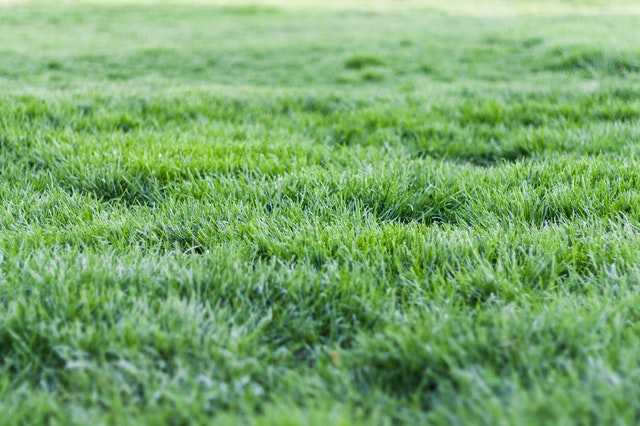
Summer is the season for backyard barbecues and long afternoons outside, but the sweltering heat and dry air can be incredibly hard on your lawn. It’s a common frustration: one week your grass is lush and green, and the next, it’s beginning to look like a patch of straw. The secret to keeping that vibrant color isn’t just about pouring more water on it; it’s about working smarter with a few simple care habits.
How to Keep Grass Green in Summer
By making a few small adjustments to how you water, mow, and treat your soil, you can protect your grass from the summer sun and keep your yard looking beautiful all season long. Here is everything you need to know to maintain a healthy, green lawn until the cooler fall weather arrives.
Strategic Watering Practices
Proper hydration is the foundation of summer lawn care. To maximize efficiency and plant health, consider the following:
Water Deeply and Infrequently: Rather than frequent, shallow watering, aim for deep saturation. This technique encourages roots to grow deeper into the soil, where it remains cooler and moister.
Time it Correctly: The ideal time to water is early morning when temperatures are lower and winds are calm. This minimizes evaporation and allows the water to reach the root zone before the heat of the day. Avoid watering in the evening, as lingering moisture on grass blades can encourage fungal diseases.
Monitor Moisture Levels: If you are unsure of your lawn’s needs, a soil moisture meter can provide an accurate reading of the hydration levels beneath the surface.
Mowing for Health and Shade
How you cut your grass significantly impacts its ability to survive high temperatures.
Mow High: Set your mower blades to a higher setting. Longer grass blades shade the soil, keeping the root system cool and reducing the rate of moisture evaporation.
Maintain Regularity: Consistent mowing prevents the grass from becoming overgrown and helps deter weed infestations.
Use a Mulching Mower: Instead of bagging clippings, use a mulching mower to return finely cut grass to the lawn. These clippings act as a natural fertilizer and help the soil retain moisture.
Soil Nutrition and Aeration
Healthy grass begins with healthy soil. Nutrients and oxygen must be able to reach the root zone to sustain growth during stress periods.
Fertilize Appropriately: Apply a fertilizer specifically designed for your grass type every few weeks. This provides the essential nutrients—nitrogen, phosphorus, and potassium—needed to maintain a vibrant green color.
Aerate the Soil: Over time, lawn soil can become compacted, blocking the flow of water and oxygen. Aeration involves perforating the soil with small holes to allow nutrients to penetrate deep into the root zone.
Effective Weed Management
Weeds are more than an eyesore; they are competitors that steal water, sunlight, and nutrients from your grass.
Identification: Determine whether you are dealing with broadleaf weeds (like dandelions) or grassy weeds (like crabgrass), as each requires a specific treatment.
Pre-emergent Herbicides: These products prevent weed seeds from germinating and are a proactive way to maintain a clean lawn.
Targeted Removal: For existing weeds, use a manual weeding tool or a post-emergent herbicide labeled for your specific grass type to avoid damaging the lawn itself.
Identifying and Managing Summer Pests
Heat-stressed lawns are often a magnet for thirsty insects. The challenge is distinguishing between grass that is simply dormant and grass that is being eaten.
The Signs: If you see irregular brown patches that continue to spread despite deep watering, or if you notice birds (like starlings) pecking aggressively at specific spots, you likely have a pest problem.
Common Culprits: Grubs eat the roots (the grass will roll up like a carpet), while Chinch Bugs and Sod Webworms drain the moisture from the blades themselves.
The Soap Test: To check for pests, mix two tablespoons of dish soap in a gallon of water and pour it over a $2text{x}2$ foot area at the edge of a brown patch. Any active insects will surface within minutes, allowing you to identify the culprit.
High-Traffic Area Recovery
Summer is when our yards work the hardest as venues for play and pets. Unfortunately, constant foot traffic packs the soil down, making it impossible for grass to breathe.
Compaction Relief: If a path is becoming “tamped down,” avoid mowing that specific strip for a week or two to let the blades grow longer and cushion the soil.
Creative Solutions: If your dog has a “patrol path” or the kids have a favorite play spot where grass keeps failing, consider installing stepping stones or a decorative mulch path. It’s often better to work with the traffic flow than to fight it during a heatwave.
Dealing with Summer Lawn Diseases
The combination of high humidity and warm nights creates a “greenhouse effect” that fungi love.
Common Diseases: Look for Brown Patch (large circular areas with a dark “smoke ring” on the edge) or Dollar Spot (small, silver-dollar-sized spots).
The Golden Rule: Never water your lawn after 6:00 PM. If the grass stays wet all night without the sun to dry it off, you are essentially inviting fungus to take root. If you see fuzzy, cobweb-like growth on the grass in the early morning, it’s a sign that your lawn is staying damp for too long.
Special Care for New Sod or Seedlings
If you’ve recently laid new sod or planted seed, the rules of “deep and infrequent” watering do not apply. These “babies” don’t have the root systems to find water deep in the soil yet.
Hydration Frequency: New grass needs to stay moist at all times. This may mean light watering 2–3 times a day for short durations until the roots “peg” into the soil.
Stay Off the Grass: Keep foot traffic and mower blades away from new seedlings for at least 3–4 weeks. The young blades are too fragile to handle the weight or the “pull” of a mower suction.
Transitioning to Fall: The Recovery Phase
As the days get shorter and the nights get cooler, your lawn will naturally want to repair itself. This is the most important window for long-term health.
Overseeding Prep: Early September is the ideal time to rake out dead patches and spread new seed. The soil is still warm, but the air is cool—perfect conditions for germination.
The Fall Feed: Once the extreme heat breaks, apply a “Winterizer” or high-nitrogen fertilizer. This helps the grass store energy in its roots, ensuring it comes back thicker and greener next spring.
Frequently Asked Questions
1. How do I know if my lawn is dormant or actually dead?
In extreme heat, many grass types (like Kentucky Bluegrass) will go dormant to protect themselves, turning a light tan color. To check, tug on a handful of grass. If it resists and feels firmly rooted, it’s likely dormant and will green up when temperatures drop. If it pulls out easily with no resistance, the roots may have died.
2. Can I water my lawn in the middle of the day if it looks wilted?
While it’s not the most efficient time due to evaporation, it won’t “burn” the grass (that’s a common myth). If your grass is showing signs of severe heat stress—like footprinting or a bluish-gray tint—a quick afternoon “syringing” (a light misting) can actually help lower the leaf temperature and provide temporary relief.
3. Why is my grass turning yellow even though I’m watering it?
Yellowing can be a sign of a few things. It might be iron chlorosis (a nutrient deficiency), or it could actually be a sign of over-watering, which drowns the roots and prevents them from absorbing oxygen. Check the soil; if it’s soggy several inches down, scale back your watering schedule.
4. Should I bag my grass clippings in the summer?
Unless you have a massive weed breakout or a fungal disease, you should leave the clippings on the lawn. They are about 80% water and contain valuable nitrogen. As they decompose, they act as a natural mulch and slow-release fertilizer.
5. How short is “too short” when mowing?
During the summer, you generally shouldn’t remove more than one-third of the grass blade at a time. For most home lawns, keeping the height between 3 to 4 inches is ideal for maintaining shade over the soil and encouraging deep roots.
Conclusion
A beautiful, resilient lawn is achievable even in the peak of summer. By watering deeply, mowing at the correct height, and ensuring your soil is well-nourished and aerated, you can enjoy a lush green space all year round. Remember to research your specific grass species, as different varieties—such as Bermuda, Zoysia, or Fescue—may have unique requirements for optimal health.